
Free promotion websites with a real dofollow backlink exists, but the list is shorter than most people expect.
The typical “free startup promotion” article recycles the same 30 platforms, labels every link as dofollow, and buries the fact that most of those links are nofollow, locked behind a paid plan, or sitting on a near-dead domain that Google stopped caring about years ago.
This study is live, meaning it gets updates as things change | Last Update:
We’ve Tested 50+ Suggestion from Google, and Here are the Results
Not all “free startup promotion sites” are equal when it comes to backlinks. Some give you a clean do-follow link after approval, some quietly switch everything to no-follow, and others only unlock SEO value behind paid upgrades or badge requirements.
We went through the most suggested and mentioned platforms, submitted real listings, and tracked what actually happens after approval, not what their marketing pages claim.
Below is a filtered list of platforms that either provide a do-follow backlink on free submissions or still offer meaningful SEO value worth using.
Tier 1
Startup Directories (Lowest Effort, Basic Exposure)
These are the most common platforms. You submit your startup, fill out a form, and get placed into a public database listing. There is no storytelling, no content creation, and no editorial input. Your startup simply becomes one entry among thousands.
In reality this is the fastest way to get do-follow backlink, but also the weakest form of promotion in terms of depth and engagement.
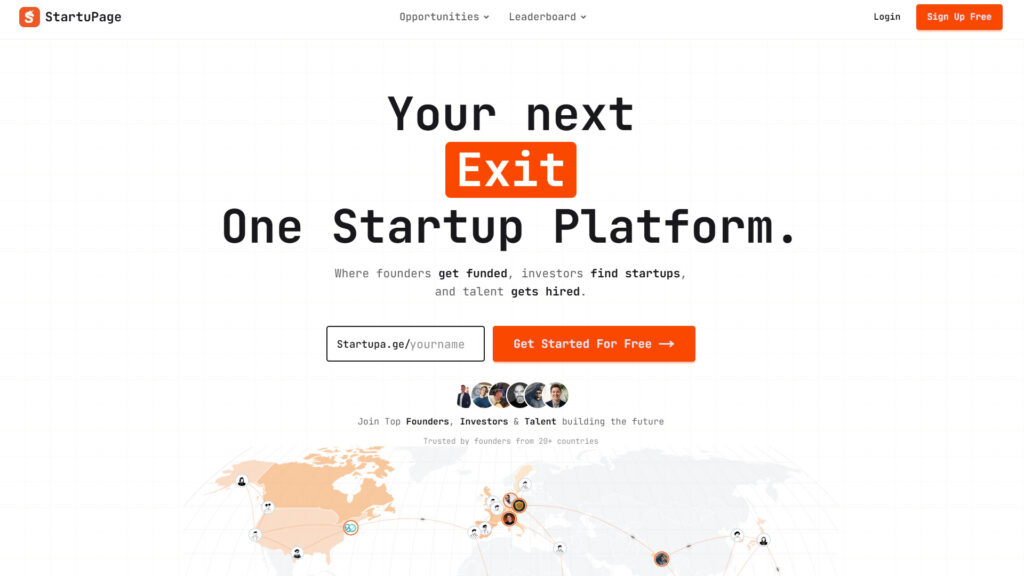
StartuPage is a startup discovery platform where founders can showcase their products to an audience actively looking for new tools, SaaS platforms, apps, and online businesses. Rather than relying solely on search engines or paid ads, founders can use StartuPage to place their projects in front of potential users who enjoy exploring new launches and emerging products.
What you can do:
- Create a public startup profile
- Add descriptions, screenshots, and product information
- Link visitors directly to your website
- Increase product visibility
- Generate referral traffic
- Gain early user feedback
Main benefit: Exposure to a startup-focused audience interested in discovering new products.
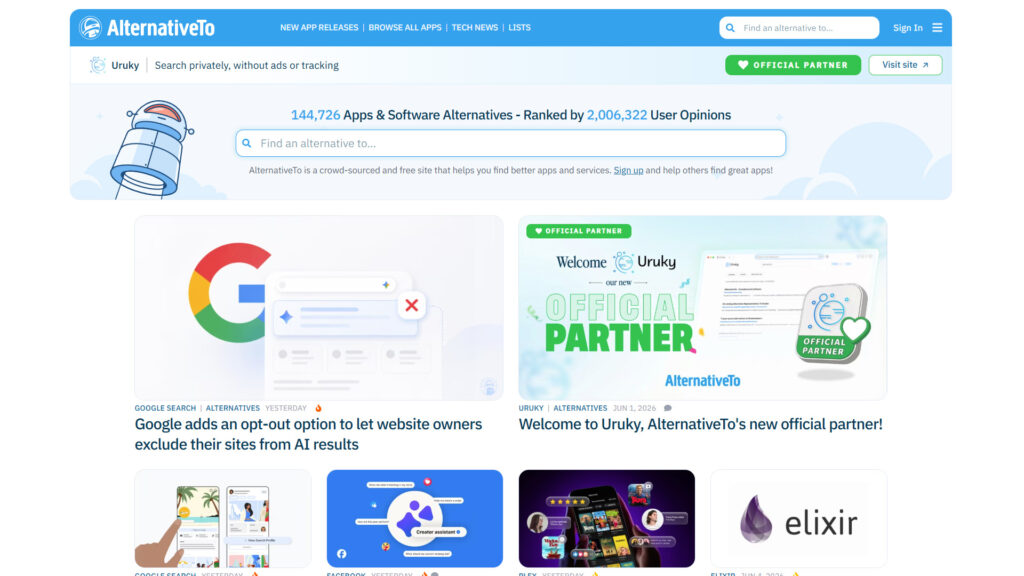
AlternativeTo is one of the largest software discovery websites, helping users find alternatives to popular tools and applications. Instead of browsing generic directories, visitors often arrive with a specific problem or software category in mind, making the traffic highly targeted.
What you can do:
- Submit your software or SaaS product
- Position your product as an alternative to competitors
- Appear in software comparison pages
- Reach users actively searching for solutions
- Build credibility through community recommendations
- Receive user reviews and ratings
Main benefit: Access to users who are already looking for software similar to yours.
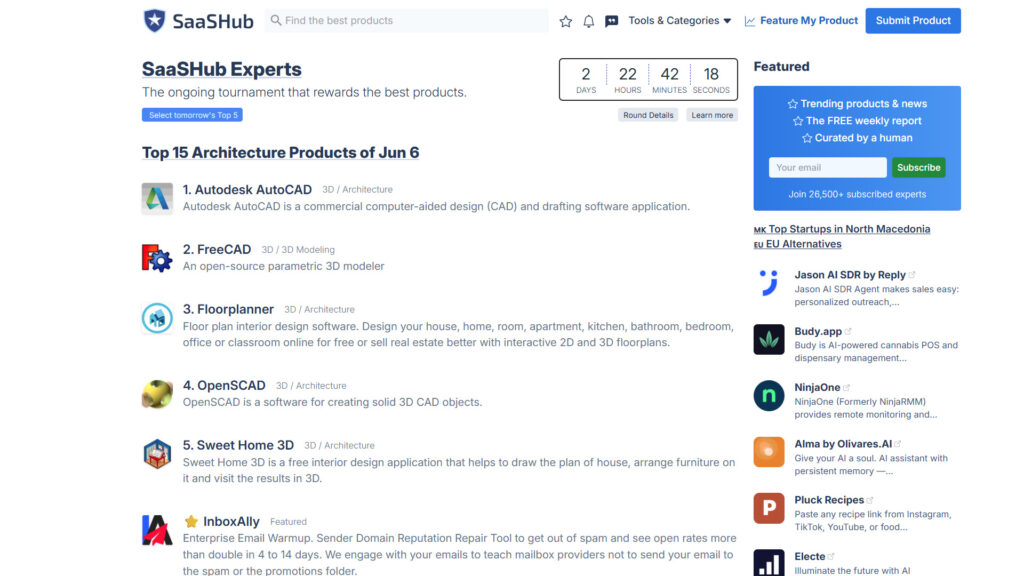
SaaSHub is a software and SaaS directory designed to help users discover, compare, and evaluate online tools. It provides detailed company and product profiles, making it a valuable platform for SaaS founders looking to improve online visibility and attract qualified traffic.
What you can do:
- Create a detailed product listing
- Showcase features, pricing, and integrations
- Appear in category-specific rankings
- Collect reviews and customer feedback
- Increase brand awareness
- Generate referral traffic
Main benefit: Long-term visibility through software category pages and comparison listings.
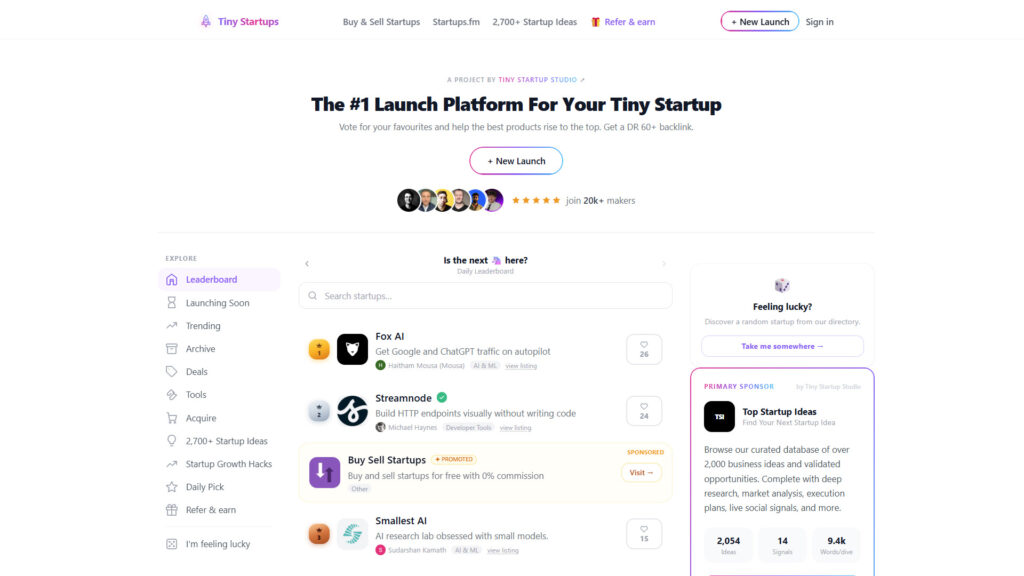
Tiny Startups focuses on indie makers, bootstrapped founders, side projects, and micro-SaaS businesses. Unlike larger startup directories, it caters specifically to smaller projects that may not have large marketing budgets but still need visibility and validation.
What you can do:
- Showcase your startup or side project
- Reach the indie maker community
- Gain referral traffic
- Earn backlinks and mentions
- Collect feedback from fellow founders
- Validate product ideas with real users
Downside: Free submissions require placing a backlink to Tiny Startups on your website, and approval can take several months due to the large review queue.
Tier 2
Self-Publishing Platforms (Medium Effort, Content-Based Exposure)
You write the article, launch post, or startup story yourself, and it gets published on the platform’s domain. The backlink is placed inside your own content.
More control and more exposure potential, but the platform is not promoting you directly – your content does the work.
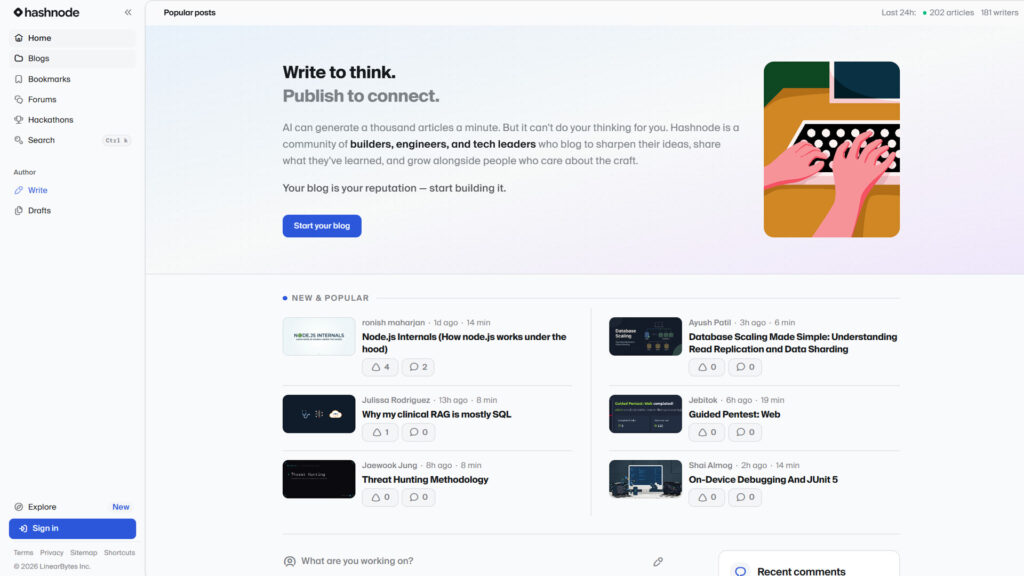
Hashnode is a publishing platform built specifically for developers, engineers, startup founders, and technical writers. It allows users to publish articles under their own profile or even connect a custom domain to build a personal blog while benefiting from Hashnode’s existing audience.
Unlike traditional blogging platforms, Hashnode is heavily focused on software development, SaaS, startups, AI, programming tutorials, product building, and technical case studies.
What you can do:
- Publish technical articles and tutorials
- Share startup growth stories and case studies
- Connect a custom domain to create your own blog
- Build authority within the developer community
- Reach developers, founders, and technical decision-makers
- Generate referral traffic to your website
- Participate in developer-focused discussions
Main benefit: Access to a highly targeted audience of developers, technical founders, and SaaS builders.
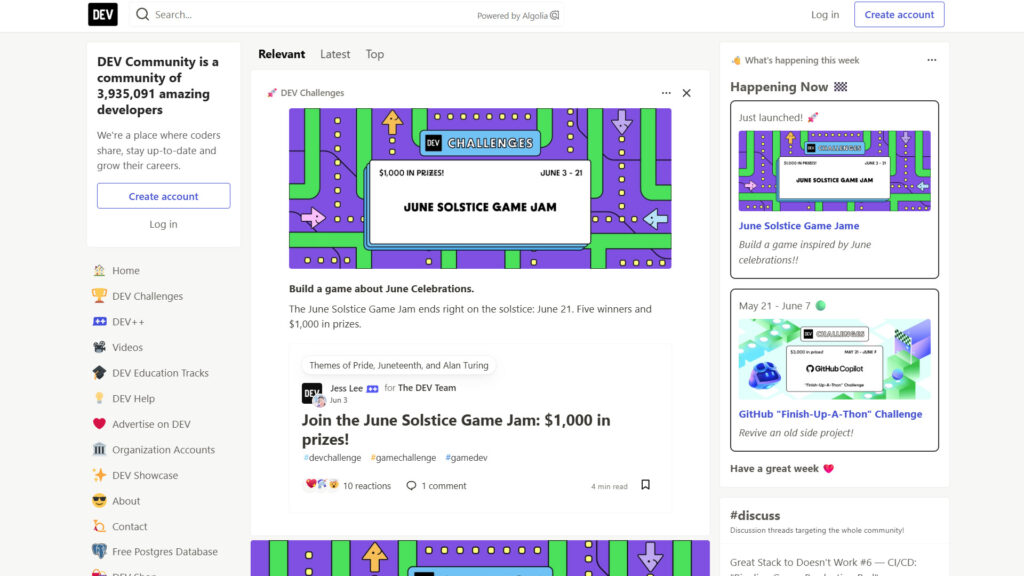
DEV Community (DEV.to) is one of the largest online communities for developers. It combines blogging, social networking, discussions, and content discovery into a single platform where developers share knowledge, experiences, tutorials, and project updates.
Articles can gain significant exposure through tags, community engagement, and platform recommendations, making it a popular channel for startup founders and SaaS companies targeting technical audiences.
What you can do:
- Publish articles, tutorials, and guides
- Share startup journeys and product launches
- Promote open-source projects and tools
- Engage with readers through comments and discussions
- Build personal or company authority
- Reach a large developer audience
- Drive traffic back to your website or product
Main benefit: Strong content distribution and community engagement within one of the largest developer-focused audiences online.
Tier 3: The Winner
Editorial Features (Highest Value, Story-Based Exposure)
This is where almost every list stops trying. Directories and self-publishing platforms are easy to list. An editorial feature is harder to find because almost no platform does it for free. The difference matters. When someone else writes about your project, publishes it under their editorial standards, and includes your link contextually – that’s a fundamentally different signal than a form submission or a blog post you wrote yourself.
The one and only platform that does it for free is WebSEO Club.

WebSEO Club – Free Editorial Feature Articles for Startups
WebSEO Club publishes dedicated feature articles for founders, creators, bloggers, and website owners. Submit your project story, and if it’s approved, the team writes and publishes a full article about what you’re building – with a contextual dofollow backlink included.
No paid placement. No sponsored post fee. No badge to buy.
Who can submit:
Founders, bloggers, creators, agencies, online store owners – anything actively being built online. No minimum traffic or traction required.
What you get:
- A written feature article, not a listing page you filled out yourself
- Contextual dofollow backlink to your site
- Indexed, long-term content that can rank for your brand name
- Founder and brand attribution inside the editorial content
- Visibility within a community of website owners and SEO practitioners
Why an Editorial Feature Is Worth More Than Any Other Platform on This List
A directory listing is static. It sits on a page with hundreds of other entries. The link passes equity, but there’s no context around it. Nothing is being said about your project, no one chose to write about it.
An editorial feature does something different. There are three specific things an editorial feature does that no directory or self-published article replicates.
None of this is guaranteed from a single article. But the baseline value of one genuine editorial feature written by someone else, published on a real domain, indexed long-term, is higher than the combined baseline of ten directory submissions.
The Big Names Everyone Mentions And What They’re Actually Worth
These platforms appear on every “free startup promotion” list. They are worth using. They are not dofollow backlink sources.
| Platform | DA | Link Type | Actual Value |
|---|---|---|---|
| Product Hunt | 90 | ❌ Nofollow | Launch exposure, early adopters, press discovery |
| Crunchbase | 91 | ❌ Nofollow | Investor and journalist research, trust signal |
| AngelList / Wellfound | 85 | ❌ Nofollow | Investor discovery, hiring |
| G2 | 92 | ❌ Nofollow | Review credibility, category search traffic |
How to Prioritize If You’re Starting From Zero
Don’t try to hit all of these at once. Thin, rushed submissions on 20 platforms produce worse results than focused, detailed submissions on five.
A practical order based on effort-to-value ratio:
Submit to WebSEO Club first
One editorial feature, dofollow link, no cost. Requires a genuine story submission, “budget” 30 minutes to write something real. This is the highest-effort, highest-return item on the list.
Claim Crunchbase and AngelList
Table stakes. Both show up in brand search results and get checked by journalists and investors. Do these once and keep them updated.
Submit to BetaList if you’re pre-launch or recently launched
The waitlist tool adds additional value beyond the backlink. Don’t rush your submission, a detailed one performs better.
List on AlternativeTo or SaaSHub if you’re SaaS
Category placement drives comparison-intent traffic from people already looking for tools like yours.
Publish on Hashnode or DEV.to if your audience is technical
Only worth doing if you’ll actually write. One high-quality technical article beats ten shallow ones.
“Free” Platforms That Aren’t Free (What Wasted Our Time)
This section exists because of a pattern we ran into repeatedly while testing: platforms that are universally listed as free, where the free option either doesn’t exist anymore or is buried so deep it’s functionally inaccessible.
The clearest example from our testing is BetaList ❌
BetaList appears on nearly every “free startup promotion” list published in the last three years. It is consistently described as having a free submission option with a dofollow link from a DR 75 domain. What actually happens when you submit in 2026:
You go through the full submission flow: General, Details, Media, Makers, Finish and at the final step, the Submit screen presents three paid plans: Lite at $39, Standard at $99, Premium at $299. There is no free option on the page. No “submit for free and wait.” No hidden path. Just a pricing wall at the end of a multi-step form.
That is a dark pattern. You invest the time to complete a full submission before discovering it costs money. The articles recommending it as free are either years out of date or written without actually testing the submission flow.
| Platform | What They Claim | What We Found |
|---|---|---|
| BetaList ❌ | Free submission with 2-month wait | Fully paid: $39 minimum, no free path |
| Product Hunt ❌ | Free dofollow backlink | Free to list, but links are nofollow |
| Crunchbase ❌ | Free profile with backlink | Links are nofollow – dofollow features are paid |
| G2 ❌ | Free listing | Free to list, meaningful visibility requires paid tier |
| Startups.fyi ❌ | Active startup launch platform | No longer operating |
| Futurepedia❌ | Free AI tool listing | Paid submission required for visibility |
| Microlaunch ❌ | Free launch platform | Paid “Go Pro / Launch Now” model |
| Uneed.best ❌ | Free startup listing | Extremely long queue (150+ days) |
| Toolify AI ❌ | Free AI tool submission | No longer free |
| There’s An AI For That❌ | Free AI tool listing | No longer free |
The rule when evaluating any platform
Go through the actual submission flow before trusting any article that calls it free. Including this one. Platforms change their pricing without updating the dozens of articles that reference them. The only source you can trust is the submission page itself.
Found a new platform worth adding, or noticed one on this list has changed its pricing or link type?
Let us know in the comments.